The Ultimate California Destination Wedding Guide: 2025-2026 Edition
Planning a California destination wedding? Explore costs, regional trends for 2025-2026, legal requirements, and expert tips for a perfect Golden State celebration.
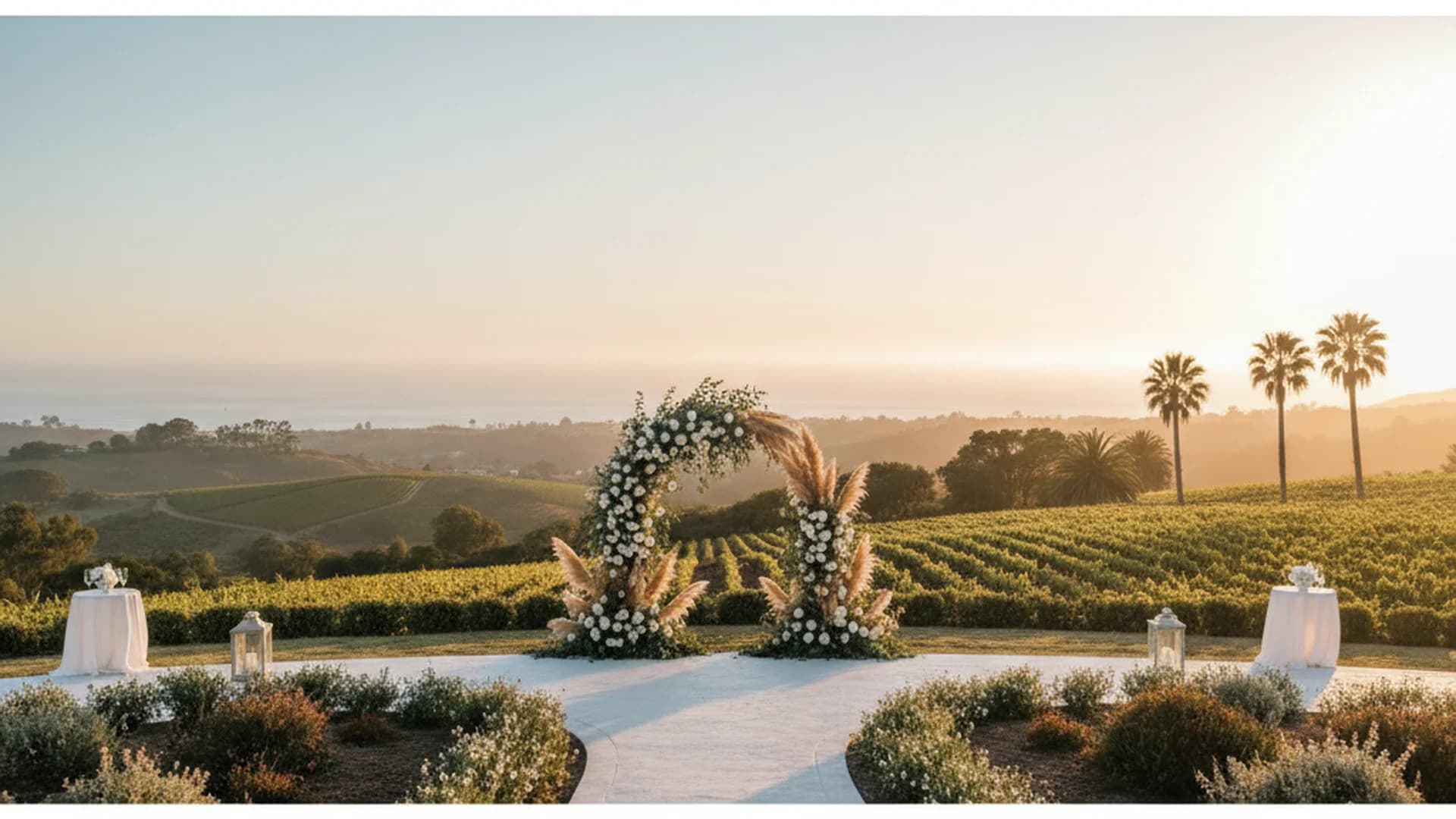
- California remains the top U.S. wedding destination with an average 2025 cost of $45,311.
- September and October offer the most reliable weather across the state's micro-climates.
- New 2026 design trends favor "fearless" color palettes and serpentine table layouts.
Planning a celebration in the Golden State is a dream for many, but navigating the logistics requires a comprehensive California Destination Wedding Guide to ensure your big day is as seamless as a Pacific sunset. From the rugged, mist-covered cliffs of Big Sur to the sun-drenched, rolling vineyards of Napa Valley, California offers a topographical diversity that is unmatched in the United States. Whether you are envisioning an intimate redwood grove elopement or a lavish coastal gala, understanding the unique regional nuances of the 2025 and 2026 wedding seasons is the first step toward a stress-free "I do."
The Financial Landscape: Budgeting for 2025 and 2026
When planning a destination wedding, the budget is often the most significant hurdle. California consistently ranks as the top wedding market in the country, which is reflected in the pricing. For 2025, the estimated average wedding cost in California is $45,311. While this might seem high compared to other regions, it is important to note that destination weddings in the state often have smaller guest lists, which can help reallocate funds toward high-end guest experiences.
Regional Price Variations
California is not a monolith; prices fluctuate wildly based on your chosen "hub." If you are comparing California to other tropical locales, you might find our Hawaii Destination Wedding Guide or Mexico Destination Wedding Guide helpful for cost comparisons.
| Region | Average Venue/Site Fee | Notable Characteristics |
|---|---|---|
| Napa/Sonoma | $15,000+ | Luxury, wine-centric, high demand |
| San Francisco | $10,000 - $25,000 | Historic, urban, logistical challenges |
| Central Coast | $2,000 - $30,000 | Versatile, range of luxury levels |
| Public Beaches | $100 - $250 | Budget-friendly, permit required |
For those working within a specific financial framework, utilizing a Wedding Budget Calculator is essential to keep these West Coast costs from spiraling.
Note
Regional Deep Dive: Choosing Your Backdrop
Northern California: Wine Country and Redwoods
Napa and Sonoma remain the gold standard for luxury destination weddings. The draw here is the "all-inclusive" nature of many vineyard estates. However, couples should be aware that many Napa County ordinances strictly regulate outdoor amplified music, often requiring parties to move indoors by 10:00 PM.
The Central Coast: Big Sur to Santa Barbara
This region offers a middle ground both geographically and financially. Big Sur is the premier location for "adventure elopements," while Santa Barbara (the "American Riviera") offers Mediterranean vibes.
Tip
Southern California: Malibu and San Diego
SoCal is the land of the beach wedding. With nearly year-round sunshine, it is a high-demand area. However, couples must navigate the "June Gloom"—a thick marine layer of fog that can obscure ocean views and create flat, grey lighting for photography throughout the early summer months.
Legal Requirements and Logistics
One of the greatest benefits of a California destination wedding is the ease of the legal process. There are no residency or citizenship requirements, making it a favorite for international couples.
Obtaining Your Marriage License
- Validity: The license is valid for 90 days from the date of issuance.
- Usage: You can obtain a license in any California county and use it anywhere else within the state.
- Appearance: Both parties must appear in person at a County Clerk’s office with valid government-issued photo ID.
Officiant Rules
California is incredibly flexible regarding who can perform your ceremony. As an interfaith officiant, I often see couples choosing to have a friend or family member lead the service. In California, you can have a loved one "Deputized for a Day" (usually for a fee of about $120), or they can use online ordination through organizations like the Universal Life Church, which is legally recognized in the state.
Heads up
Design Trends for 2025 and 2026
If you want your wedding to feel current, pay attention to the shifting aesthetics of the mid-2020s. We are moving away from the "Boho Beige" era into something much more vibrant and structured.
Serpentine Table Layouts
Linear banquet tables are being replaced by winding, S-shaped configurations. These "serpentine" layouts are not just visually stunning; they encourage a more organic flow of conversation, breaking the "cafeteria" feel of long straight lines.
"Fearless" Color Palettes
According to industry experts at Jessica Foster Events, the "Paloma" palette is set to dominate 2026. Think sunset-inspired dusty pinks, soft peaches, and terracotta. For more daring couples, bold pairings like Citron & Sky Blue or Lilac & Rust are replacing traditional pastels.
Elevated Casual Dining
Couples are ditching the formal, three-course plated dinner for high-end "casual" experiences.
- Example 1: A Santa Barbara wedding featuring a gourmet taco bar with local caught-that-morning seafood.
- Example 2: A Sonoma celebration with wood-fired pizza ovens and "grazing tables" that showcase local artisanal cheeses and California produce.
- Example 3: Interactive "content moments" such as sculptural champagne towers or live on-site illustrators capturing guest portraits in real-time.
From the OurVows workspace
Planning from a distance?
A checklist tuned to your date, a shared budget, and a website your guests will actually use.
Common Mistakes to Avoid
Even with a detailed California Destination Wedding Guide, many couples fall into the same traps.
1. Underestimating "The Fog"
Many couples plan a sunset beach ceremony in Malibu or San Francisco only to be surprised by "June Gloom" or "Fogust." This thick coastal fog can drop temperatures by 15 degrees in minutes and completely obscure your view.
Tip
2. Booking Accommodation Before the Venue
In popular regions like Napa or Big Sur, hotel blocks fill up 12–18 months in advance. However, you should never secure your room blocks until your venue contract is signed. Nothing is worse than having 50 rooms in a town that is a two-hour drive from your actual ceremony site.
3. Forgetting Travel Insurance
California is prone to seasonal wildfires and occasional coastal flooding. When planning a destination wedding, ensure your wedding insurance specifically covers "event cancellation" due to natural disasters or travel disruptions. This is a small price to pay for peace of mind.
Best Practices for Destination Couples
To ensure your planning process is as smooth as possible, follow these expert recommendations:
- Visit in the "Off-Season": If possible, visit your potential venues between November and February. Seeing a venue at its "rawest" helps you understand the wind patterns, lighting, and what the landscape looks like when it isn't in peak bloom.
- Go "All-Inclusive" for Value: Roughly 73% of California reception venues offer packages that include catering, rentals, and alcohol. These can save you up to 20% compared to booking a-la-carte vendors.
- Prioritize the Timeline: For a comprehensive look at how to structure your year, see our 12 Month Wedding Planning Checklist.
Do this
Frequently asked questions
Do we need to be California residents to get married there?
What are the permit requirements for a beach wedding?
Can a friend officiate our wedding in California?
What is the best time of year for a California wedding?
How many guests should I expect at a destination wedding?
Conclusion
Planning a wedding in California is an exercise in balancing natural beauty with logistical precision. By choosing the right region, understanding the legal landscape, and leaning into the vibrant design trends of 2025 and 2026, you can create an event that feels both timeless and modern. For more broad advice on planning away from home, refer to our Complete Guide to Destination Weddings and Elopements.
Do this
Ready when you are
Plan Your California Dream
Start organizing your destination wedding today with our professional planning tools.
Ready when you are
Plan your wedding without the chaos.
Free forever for couples just getting started. Two minutes to set up. No credit card.
Keep reading
The Ultimate Guide to a Santorini Destination Wedding: 2025-2026 Edition
Planning a Santorini destination wedding? Discover costs, legal requirements for 2025-2026, the best venues, and expert tips for an iconic Greek island celebration.

The Ultimate Nashville Destination Wedding Guide: 2025-2026 Edition
Plan the perfect Nashville destination wedding with expert advice on venues, legal requirements, 2025 trends, and budgeting for the Music City experience.
The Ultimate Guide to Planning an Aspen Destination Wedding (2025-2026)
Plan your luxury Aspen destination wedding with our comprehensive guide. Explore costs, venues, seasonal trends, and expert tips for a Rocky Mountain celebration.