How to Choose a Wedding Florist: The Complete 2025-2026 Guide
Learn how to choose a wedding florist with our expert guide. Discover 2025 floral trends, budget breakdowns, and the right questions to ask your floral designer.
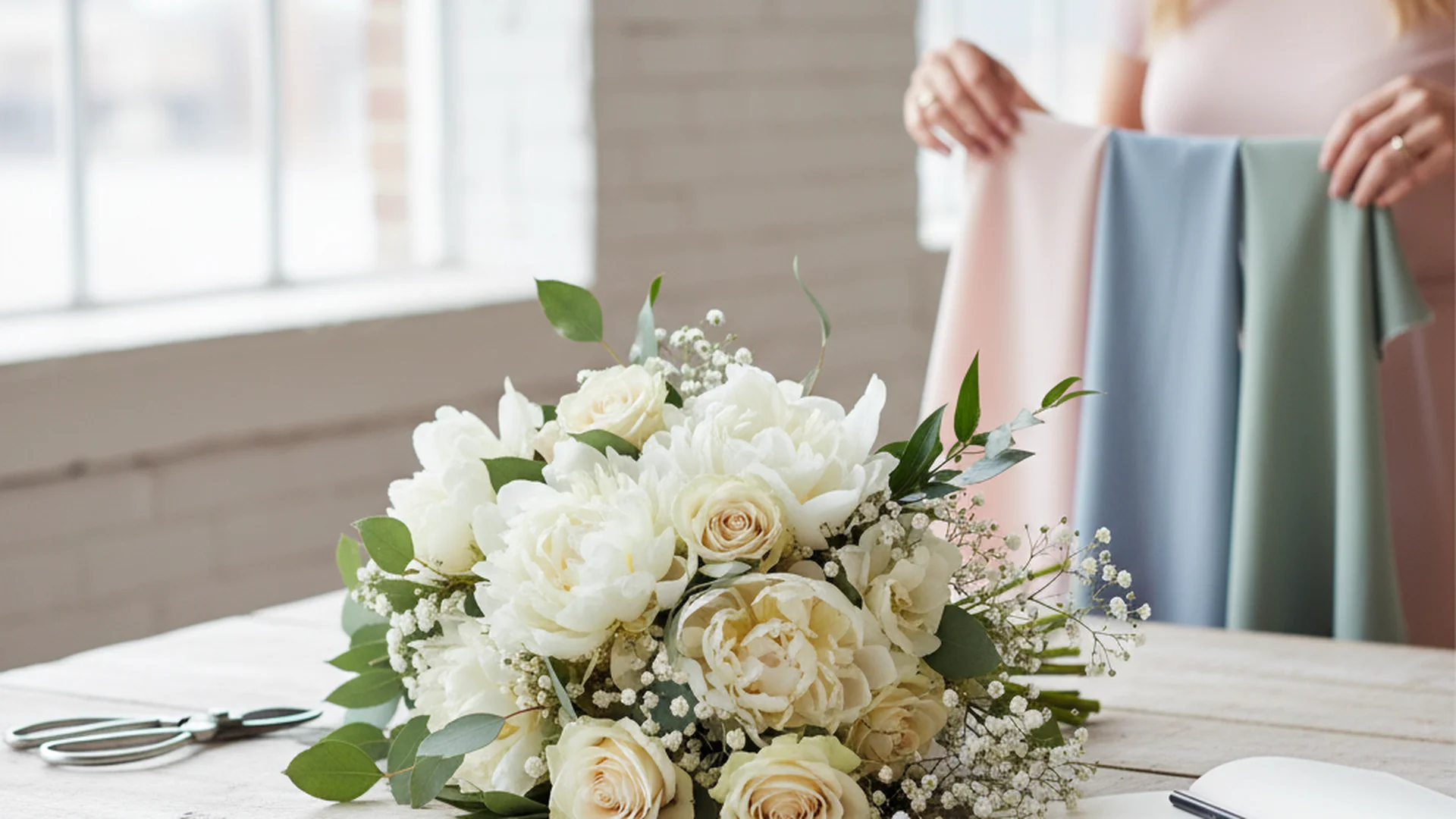
- Allocate 8-10% of your total budget to florals for a standard look.
- Book your florist 6 to 12 months in advance to ensure availability.
- Focus on "vibe" and color palette rather than specific, rigid bloom lists.
Choosing your floral designer is one of the most transformative steps in your planning process. Flowers are more than just decor; they are the living, breathing elements that define the visual tone and sensory atmosphere of your celebration. Whether you envision a minimalist gallery aesthetic or a lush, overgrown garden party, knowing how to choose a wedding florist who aligns with your vision is essential for a cohesive day. As you begin how to choose wedding vendors for your 2025 or 2026 nuptials, this guide will provide the research-backed framework you need to navigate the floral industry with confidence.
Understanding the Floral Investment
Before you dive into Pinterest boards, it is crucial to understand the financial landscape of the floral industry today. According to recent data from The Knot and Brides.com, the average couple in the United States spends between $2,200 and $2,723 on their wedding flowers. However, this is just a baseline.
For those planning a "floral-heavy" or luxury wedding, experts recommend increasing that allocation to 15–20% of the total budget. This ensures you can afford the labor-intensive installations, such as hanging flower clouds or floor-to-ceiling floral walls, that define high-end aesthetics.
Itemized Cost Estimates for 2025-2026
To help you plan, here is a breakdown of what you might expect to pay for individual items in the coming seasons:
| Floral Item | Estimated Price Range |
|---|---|
| Bridal Bouquet | $195 – $350 |
| Bridesmaid Bouquet | $90 – $150 |
| Boutonniere | $15 – $30 |
| Reception Centerpieces | $150 – $500+ |
| Ceremony Arch/Installation | $650 – $5,000+ |
| Flower Girl Petals | $25 – $50 |
Note
How to Choose a Wedding Florist: The Search Process
Finding the right florist requires a mix of aesthetic research and logistical vetting. You aren't just buying a product; you are hiring an artist and a project manager who will handle delicate, perishable inventory on one of the busiest days of your life.
Research Style Before Substance
The most common mistake couples make is searching for "florists near me" and picking the first one with good reviews. Instead, you should search by aesthetic. Wedding florists typically specialize in specific "design languages":
- Fine Art: Often characterized by airy, asymmetrical arrangements that look like a Dutch oil painting.
- Garden-Style/Organic: Focuses on movement, varying heights, and a "just picked from the meadow" feel.
- Modern/Minimalist: Uses architectural lines, single-stem varieties, and clean palettes.
- Boho/Moody: Features dried elements, pampas grass, and deep, saturated color tones.
If you want a maximalist "flower wall," a minimalist florist may not be the best fit, even if their portfolio is beautiful. Look for a designer whose natural "hand" matches the feeling you want to evoke.
Tip
Prioritize High-Impact Areas
If you are working with a strict budget, such as a $10,000 wedding budget, you must be strategic. Rather than spreading your floral budget thin across twenty tables, consider "impact-based design."
Spend the bulk of your budget on the items that will be photographed the most: your bridal bouquet and a "statement piece" for the ceremony. A lush, floor-based "grounded arch" can often be repurposed for the sweetheart table during the reception, giving you double the value for a single investment.
Trends for 2025 and 2026
The floral industry is shifting toward intentionality and sculptural art. If you want your wedding to feel current, consider these emerging trends:
1. Monochrome Reimagined
Moving away from the standard "white and green" palette, 2026 is seeing "tone-on-tone" designs. This involves using varying shades of a single color—such as five different shades of mauve and terracotta—to create depth through texture rather than color contrast.
2. Grounded Arches
Traditional overhead arches are being replaced by "grounded" designs. These are floral installations that appear to grow directly from the floor. They frame the couple beautifully without blocking the architectural details of the venue, making them perfect for historic or scenic locations.
3. Sustainable and Foam-Free Designs
Sustainability is no longer a niche request; it is a standard. Many modern florists are moving away from toxic floral foam (which contains microplastics) and opting for "slow flowers"—locally grown blooms that haven't been flown across the globe.
4. Fruit + Florals
Incorporating organic elements like grapes, citrus, pomegranates, or even artichokes into tablescapes creates a "still life" aesthetic. This adds a rich, eclectic layer to the design that feels both sophisticated and lived-in.
Do this
Expert Recommendations for the Vetting Process
Once you have a shortlist of florists, it is time to dig into the details. Use our (Marketing) - Tools - Wedding Budget Calculator to ensure your floral goals align with your overall spending plan before you sign a contract.
The "Vibe" Over the "Bloom"
Instead of demanding 50 white peonies (which may not be in season or may be of poor quality due to weather), tell your florist: "I want a classic, romantic feeling with lots of texture and creamy whites." This gives the professional the creative freedom to source the freshest market stems available on your specific week.
Trust the Mock-up
If your budget allows, request a paid floral trial 2–3 months before the wedding. Seeing a sample centerpiece in person allows you to adjust the height, color balance, or vessel choice before the big day, preventing any "day-of" surprises.
Heads up
From the OurVows workspace
Vetting vendors?
Track contacts, contracts, and payments — and never walk into a meeting without the right questions.
Common Mistakes to Avoid
- Choosing Based on Price Alone: The cheapest quote often utilizes lower-grade "supermarket" flowers or lacks the necessary staffing to ensure the blooms don't wilt in the sun during setup.
- Ignoring the Venue's Temperature: Delicate flowers like hydrangeas or sweet peas will wilt almost instantly in a 90-degree outdoor August ceremony. Always ask your florist for "heat-hardy" options for summer dates.
- Micromanaging Bloom Choice: Nature is unpredictable. Flexibility with your florist leads to a much better final design than a rigid, impossible-to-fill list of specific flower varieties.
- Forgetting Personal Flowers: Many couples forget to budget for the "extras"—loose stems for the photographer’s flat-lay shots, flowers for the cake, or petals for the flower girl.
- Underestimating Labor Costs: Remember that you aren't just paying for the stems; you are paying for the hours spent cleaning thorns, hydrating blooms, transporting delicate arrangements, and the late-night "strike" (teardown) after the party ends.
Tip
Real-World Examples
Example 1: The "High-Impact" Strategy
A couple with a $2,500 floral budget wanted a "wow" factor but had 15 reception tables. Instead of doing $150 centerpieces on every table, they chose $40 simple bud vases for 12 tables and spent $1,000 on a massive, suspended "flower cloud" over the dance floor. The result was a high-end, editorial look that fit their budget.
Example 2: The Repurposed Ceremony
To save on costs, a couple worked with their day of wedding coordinator and florist to design two large "altar pieces" that sat in heavy urns. After the ceremony, these urns were moved to the entrance of the reception ballroom, greeting guests as they arrived for dinner.
Example 3: The Sustainable Summer Wedding
Facing a July wedding in a greenhouse, a couple opted for "foam-free" installations using chicken wire and water tubes. They focused on heat-resistant varieties like zinnias, dried grasses, and succulents, ensuring the decor looked fresh from the first photo to the last dance.
Frequently asked questions
Do I need to know exactly which flowers I want before the consultation?
Can a florist work within a very specific, tight budget?
Do florists handle setup and teardown?
Have you worked at my venue before?
What happens if my dream flower isn't available on the day?
Conclusion
Choosing a wedding florist is about finding a partner who understands your aesthetic and respects your financial boundaries. By focusing on the "vibe" rather than specific stems, prioritizing high-impact areas, and staying aware of 2025-2026 trends like grounded arches and sustainable design, you can ensure your wedding is as beautiful as it is memorable.
Remember to review your 12 month wedding planning checklist to ensure you are booking your floral designer at the right time. With the right professional by your side, your wedding flowers will do more than just fill a room—they will tell your story.
Do this
Ready when you are
Ready to Start?
Begin your wedding planning journey with our expert tools today.
Ready when you are
Plan your wedding without the chaos.
Free forever for couples just getting started. Two minutes to set up. No credit card.
Keep reading
How to Choose Wedding Vendors: The Ultimate 2025-2026 Guide
Master the art of building your wedding dream team. Learn how to choose wedding vendors using AI tools, sustainability trends, and expert vetting strategies.
15 Essential Questions to Ask Wedding Videographer Before You Book
Planning your 2025-2026 wedding? Discover the most important questions to ask a wedding videographer to ensure your big day is captured perfectly.
10 Essential Wedding Transportation Tips for a Flawless Big Day
Planning your wedding logistics? Discover expert wedding transportation tips for 2025-2026, from average costs and booking timelines to the latest eco-chic trends.