Mastering Wedding Seating Chart Rules: The Ultimate Guide for 2025 and 2026
Navigate the complexities of wedding seating chart rules with our expert guide. Learn etiquette, social engineering tips, and modern trends for your big day.
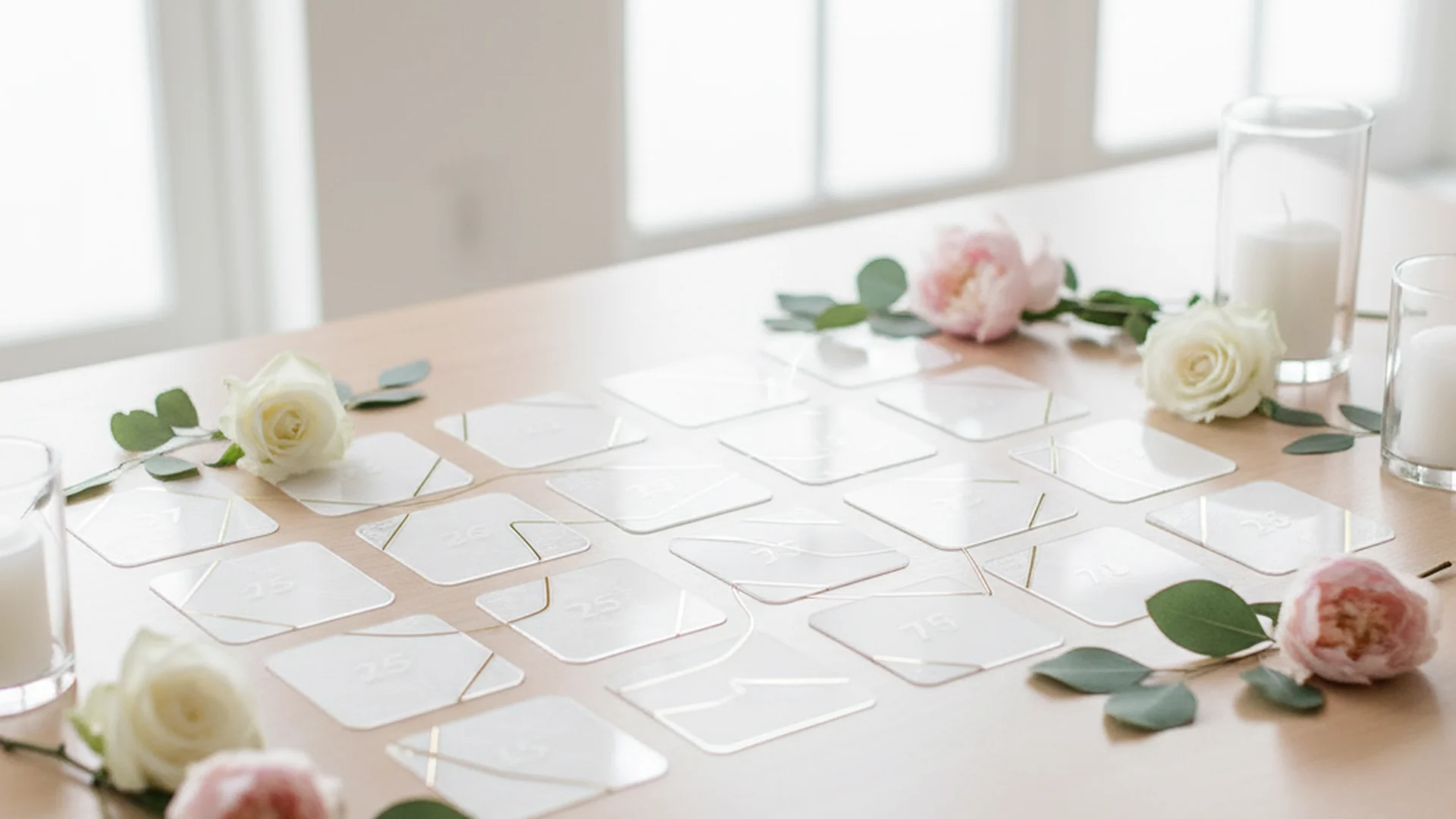
- Seating charts are essential for any wedding with over 50 guests.
- Always organize your display alphabetically by last name to prevent bottlenecks.
- Balance tables with 60% familiar faces and 40% new connections for optimal social energy.
Planning your reception is an exercise in creativity, but when it comes to the layout, most couples eventually hit the "final boss" of wedding planning: the seating chart. Navigating wedding seating chart rules requires a delicate balance of family politics, social engineering, and logical logistics. As an interfaith wedding officiant, I have seen firsthand how a well-thought-out seating plan can transform a room from a group of strangers into a unified, celebrating community.
In the 2025 and 2026 wedding seasons, the philosophy behind these charts is shifting. We are moving away from rigid, traditional hierarchies and toward guest-centered experiences. Whether you are hosting an intimate micro-wedding or a grand gala, understanding the fundamental rules of seating is the secret to a high-energy party atmosphere where everyone feels seen, comfortable, and ready to celebrate.
The Golden Rules of Wedding Seating Etiquette
Before you start moving digital "sticky notes" around your floor plan, you must understand the foundational etiquette that keeps a wedding running smoothly. These rules aren't just about tradition; they are about preventing "cafeteria-style" chaos.
Is a Seating Chart Mandatory?
According to data from The Knot, seating charts are considered essential for any wedding with more than 50 guests. Without a designated plan, guests experience high stress as they rush to "save" chairs, families often get split up across different tables, and the last few guests are left awkwardly hunting for single empty chairs while the wedding party waits to enter.
Assigned Tables vs. Assigned Seats
A common question couples ask is whether they need to assign specific seats or just general tables.
- Assigned Tables: Usually sufficient for buffet-style or family-style service. It gives guests a "home base" while allowing them some autonomy over who they sit next to at that specific table.
- Assigned Seats: This is a requirement if you are serving a plated "choice-of" meal. Servers need to know exactly who ordered the steak versus the salmon without interrupting the flow of conversation to ask.
Tip
Logistics 101: Floor Plan Basics and Capacities
The physical comfort of your guests is the bedrock of a good party. Overstuffing tables is one of the top causes of guest discomfort. You want your guests focused on your heartfelt toasts, not on the fact that they are bumping elbows with their neighbor.
Table Dimensions and Capacity
Standard industry sizes dictate how many people you can realistically fit. Use the following table as a quick reference:
| Table Type | Size | Ideal Capacity | Maximum Capacity |
|---|---|---|---|
| Round | 60-inch | 8 guests | 10 guests |
| Round | 72-inch | 10 guests | 12 guests |
| Rectangular | 8-foot | 8 guests | 10 guests |
| Serpentine | Modular | Variable | Depends on length |
Heads up
The Alphabetical Rule
One of the most important wedding seating chart rules for the actual display is the "Alphabetical Rule." While it might be tempting to list names by table number (Table 1, Table 2, etc.), this creates a major bottleneck. Guests have to scan the entire list to find their names. Instead, always list names alphabetically by last name. It allows guests to find their table assignment in seconds and move toward the bar or their seats.
Social Engineering: Designing the Guest Experience
A great seating chart is more than just a list of names; it’s a social map. You have the power to curate the conversations and "vibes" of the evening through strategic placement.
The 60/40 Rule
To ensure a lively atmosphere, try the 60/40 rule: seat each guest with approximately 60% familiar faces and 40% new connections. This ensures they feel comfortable enough to relax but provides enough "new blood" to keep the conversation fresh. Look for shared interests—for instance, create an "outdoor enthusiasts" table or a "college friends" table that includes a few new spouses who share similar career paths.
Placing the "High-Energy" Guests
When designing your layout, think about the proximity to the dance floor. Your "high-energy" guests—younger friends, the bridal party, and the cousins who never miss a beat—should be seated closest to the dance floor and the bar. This keeps the energy centralized where the action happens.
Do this
Accessibility and Comfort
Accessibility should never be an afterthought.
- Elderly Guests: Seat them away from loud speakers or the DJ booth to allow for easier conversation.
- Mobility Aids: Ensure guests using wheelchairs or walkers are seated near the entrance or the restrooms, with wide aisles that don't require them to navigate a "maze" of chairs.
- Vision/Hearing: Place guests with sensory impairments closer to the front so they can hear toasts and see the couple clearly.
Managing the Drama: Family Friction and Plus-One Puzzles
Wedding planning often brings family politics to the surface. As an officiant, I often help couples navigate these waters during the ceremony, but the reception is where the strategy really counts.
Handling Divorced Parents
If there is tension between divorced parents, the goal is "balanced visibility." Seat them at separate "VIP" tables that are equidistant from the sweetheart or head table. Both parents should feel they have a "front-row" status without being forced to interact. For more specific layouts, see our guide on the Divorced Parents Seating Chart.
The "Singles Table" Myth
Generally, the answer to "Should I have a singles table?" is a resounding no. Modern etiquette suggests that grouping people solely based on their relationship status can feel patronizing or awkward. Instead, seat single guests with people they know or share interests with. If you are dealing with a complex family dynamic, you might also find our Blended Family Seating Chart resource helpful.
Note
From the OurVows workspace
Solving the seating puzzle?
Drag-and-drop tables, relationship warnings, and printable charts — built into your guest list.
What’s Trending: 2025 and 2026 Seating Innovations
We are seeing a shift toward "The Experience Chart." Couples are looking for ways to make the process of finding a seat a highlight of the night rather than a chore.
Interactive "Cocktail Walls"
A massive trend for 2026 is the interactive seating chart. Imagine a beautiful hedge wall or an acrylic display where guests find their name on a glass of champagne. Some high-end weddings even feature "service walls" where guests ring a bell, and a hand appears through a velvet curtain to hand them a signature cocktail with their table number attached.
QR Code Integration and AR
For the tech-forward couple, a Digital Wedding Seating Chart is becoming the standard. Many 2025 weddings are opting for a single, high-end sign with a QR code. Guests scan it to see a personalized digital landing page.
The cutting edge for 2026 is Augmented Reality (AR) Seating. Guests scan a code and see a 3D map of the ballroom on their phones, with a "blue dot" leading them directly to their table. This is particularly useful for massive venues or outdoor tented weddings with complex layouts.
Serpentine and "Feasting" Tables
Moving away from the standard 60-inch rounds, 2025/2026 weddings are favoring long, winding "serpentine" tables. These create a communal, "family-style" dining atmosphere that feels more like a dinner party and less like a corporate banquet.
Common Mistakes to Avoid
Even with the best intentions, small logistical errors can derail a seating plan. Here are the top pitfalls to watch for:
- The "No Seating Chart" Fallacy: As mentioned, thinking "open seating" is more relaxed is a mistake. It is almost always more stressful for guests.
- Unreadable Fonts: Using overly ornate, swirly calligraphy on mirrors or acrylic looks beautiful in photos but is impossible to read in the low light of a reception. Contrast and legibility are key.
- Forgetting the "Swing" Table: Always leave a few empty spots in your plan. Experts recommend having a "swing" table with 2–3 empty seats to accommodate last-minute "plus-ones" or guests who show up unexpectedly despite not RSVPing.
- The "Kids Table" Isolation: Placing a kids' table in a separate room or a far corner can lead to chaos. If you have a kids' table, keep it within eyesight of the parents. For children under 7, they should generally sit with their parents.
Tip
Frequently asked questions
Should I organize the chart by table number or alphabetically?
Do I need assigned seats or just assigned tables?
How do I handle divorced parents who don't get along?
Can I have a "Singles Table"?
How many people fit at a 60-inch round table?
Conclusion: A Stress-Free Path to "I Do"
The seating chart may feel like a daunting puzzle, but it is also one of the final steps in finalizing your wedding vision. By focusing on guest comfort, logical organization, and a dash of social engineering, you can ensure your reception is remembered for its great conversation and high energy rather than logistical hiccups.
Remember to start early—roughly 6 to 8 weeks before the big day—and don't be afraid to use digital tools to help you visualize the space. Your wedding is a celebration of your new community, and the seating chart is the map that brings them all together.
Do this
Ready when you are
Ready to Plan?
Take the stress out of your reception layout with our intuitive planning tools.
Ready when you are
Plan your wedding without the chaos.
Free forever for couples just getting started. Two minutes to set up. No credit card.
Keep reading

The Ultimate Guide to Choosing the Best Wedding Seating Chart App for 2025–2026
Discover how a wedding seating chart app can save you significant planning time. Explore AI-driven tools, 3D floor plans, and expert seating strategies for your big day.
Navigating the Divorced Parents Seating Chart: A Diplomatic Guide for 2025-2026
Learn how to design a divorced parents seating chart that maintains peace and honors family. Expert tips for ceremony and reception layouts in 2025.

The Ultimate Wedding Seating Chart Timeline: A Month-by-Month Guide
Master your wedding seating chart timeline with our expert guide. From early drafts to last-minute changes, learn how to organize your guests stress-free.