2025-2026 Winter Wedding Flowers Guide: Trends, Hardiness, and Sophisticated Palettes
Master the art of choosing winter wedding flowers. Explore 2026 trends like Amaranthus and "Subzero Sophistication" while learning how to protect blooms from frost.
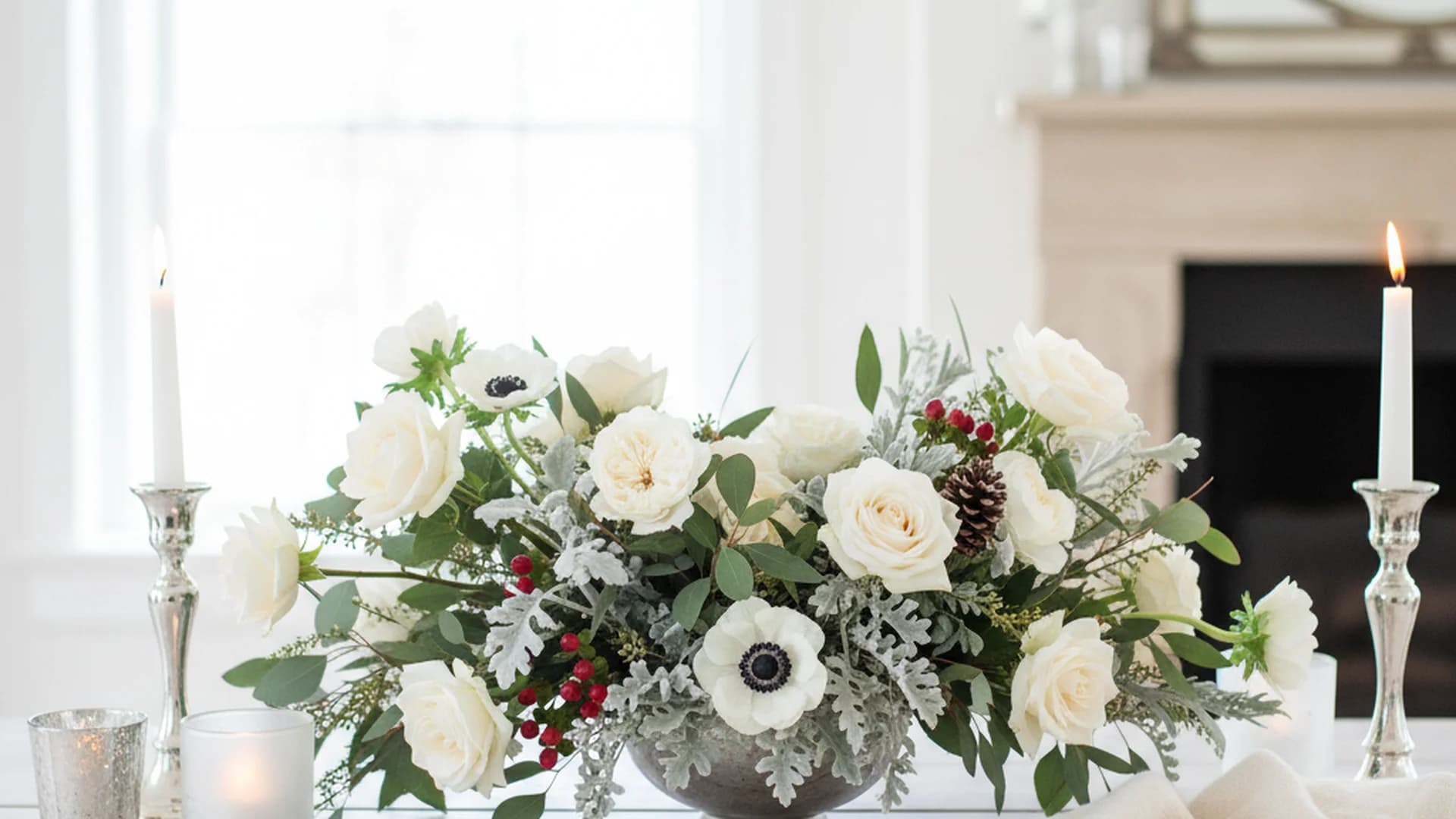
- Amaranthus is the breakout bloom of 2026 with a 285% growth in consultations.
- The "Stay Out" rule is essential for preventing petal shock during outdoor photos.
- Darker jewel tones like burgundy hide frost damage better than classic white petals.
There is a unique magic to a winter wedding—the crisp air, the potential for a dusting of snow, and the intimate glow of candlelight against a cold backdrop. However, planning for winter wedding flowers requires more than just an eye for beauty; it requires a strategic understanding of botany, temperature logistics, and seasonal availability. As we look toward the 2025-2026 season, the floral landscape is shifting away from safe, rustic aesthetics toward dramatic, architectural, and "editorial" designs that embrace the season's harshness rather than hiding from it.
Choosing your floral arrangements is about telling a story that matches the atmosphere of your venue. Whether you are aiming for a cozy "mountain lodge" feel or a sleek "subzero" modern look, the blooms you select must be able to withstand the journey from a refrigerated florist's van to a freezing outdoor photo session, and finally to a heavily heated reception hall.
The Breakout Trends of the 2025–2026 Winter Season
The upcoming winter wedding seasons are characterized by a move toward "maximalist minimalism"—using fewer types of flowers but in much more dramatic, sculptural ways. If you are currently browsing wedding bouquet ideas, you’ll notice a distinct departure from the tight, round clusters of the past.
The Rise of Amaranthus
The undisputed "it" flower for 2026 is Amaranthus. With a projected 285% year-over-year growth in consultations, this bloom is prized for its long, weeping tassels that add immediate movement and a sense of "floral couture" to any arrangement. In a winter context, deep red or "bleached" trailing amaranthus mimics the look of falling snow or dripping icicles, providing a verticality that standard roses cannot achieve.
"Subzero Sophistication"
A major aesthetic shift for 2026 is the "Subzero" look. While winter weddings traditionally leaned into "warm" palettes of gold and red, modern couples are opting for an icy, editorial vibe. This involves:
- Icy Blues: Incorporating Tweedia or blue-tinted Delphinium.
- Frosted Textures: Using silver-toned foliage like Dusty Miller or Eucalyptus.
- Glassy Elements: Mixing florals with acrylic accents or "frozen" crystal droplets.
Fruit and Floral Fusion
Adding organic weight to centerpieces is now being achieved through the use of winter fruits. Pomegranates, dark grapes, and even frosted pears are being tucked into arrangements. This not only provides a rich, Dutch-master-style aesthetic but also helps ground the florals, making them feel more substantial in large, drafty ballroom spaces.
Tip
Hardiness and Survival: Which Flowers Can Take the Cold?
The biggest challenge with winter wedding flowers is the temperature. Most fresh flowers are composed primarily of water, meaning they will freeze and die at 0°C (32°F). However, some varieties are more sensitive than others.
Cold Tolerance by Variety
If you are planning an outdoor ceremony or an extensive outdoor photo shoot, you need "warrior" flowers.
| Flower Type | Cold Tolerance | Risk Factor |
|---|---|---|
| Roses | High | Petals are thick and resilient. |
| Carnations | High | Surprisingly hardy and budget-friendly. |
| Ranunculus | Medium | Petals are thin but can handle mild chill. |
| Orchids | Medium | Good for cold air but hate direct wind/drafts. |
| Hydrangeas | Low | Will wilt or brown at 1–4°C. |
| Dahlias | Very Low | Extremely sensitive to frost; avoid for winter. |
Heads up
The "Stay Out" Rule for Photos
This is the most important advice for any winter bride or groom: if you take your bouquet outside for photos in freezing weather, keep it outside. The damage to flowers usually happens during the "thaw." When a frozen petal is suddenly brought into a 21°C (70°F) room, the cells rupture, leading to instant wilting. If you must go back and forth, keep the flowers in a cool hallway rather than a warm dressing room.
The Second Set Strategy
For weddings in extreme climates (like the Scottish Highlands or the Canadian Rockies), many florists now recommend ordering a "photo bouquet." This is a smaller, slightly less expensive version of your main bouquet that you use for the outdoor shots. This allows your primary "ceremony bouquet" to stay pristine and fresh for the walk down the aisle.
Note
Designing the Winter Landscape: Beyond the Bloom
Winter is the best season to embrace "non-floral" elements. These items are virtually immune to the cold and add a level of texture that is impossible to achieve in the summer months.
Architectural Foliage and Berries
- Hypericum Berries: Available in red, white, and green, these add a "berry-pop" that feels quintessentially festive.
- Evergreens: Cedar, pine, and fir not only look beautiful but provide a nostalgic winter scent.
- Exposed Stems: A 2026 trend involves keeping the stems of the bouquet long and un-ribboned, treating the woody "skeleton" of the plant as an architectural element.
Sustainable Sourcing for the Cold Months
Sustainable weddings are no longer a niche trend; they are a standard. In the winter, this can be difficult because local "field-grown" flowers are non-existent in many regions. To stay eco-friendly, consider DIY wedding decor ideas that utilize potted plants. Amaryllis or Poinsettias can be used as centerpieces and then gifted to guests to keep in their homes, reducing the waste of cut flowers that only last a few days.
Do this
From the OurVows workspace
Planning a wedding is a lot. We make it feel like less.
Checklist, budget, guest list, and a wedding website — together in one free workspace built for both of you.
Common Mistakes to Avoid
Even the most beautiful winter wedding flowers can be ruined by simple logistical errors. To ensure your floral budget isn't wasted, keep these common pitfalls in mind:
1. The Fireplace Trap
Couples often envision a beautiful floral runner draped over a roaring fireplace. This is a recipe for disaster. The rising heat will essentially "cook" the flowers from the bottom up. Within an hour, your expensive blooms will be drooping. If you want a decorated mantel, use high-quality silk flowers or hardy evergreens and dried elements.
2. Assuming Greenery is "The Cheap Option"
A common misconception is that using mostly greenery will save a significant amount of money. However, as noted in our complete guide to wedding flowers and decor, labor-intensive greenery installations—like ceiling-high eucalyptus garlands—often cost more than standard arrangements due to the sheer volume of material and the hours required for setup.
3. Forcing the Season
While you can technically get peonies in January, they have to be flown in from places like New Zealand or Chile. Not only is the carbon footprint massive, but the flowers are often smaller, more fragile, and can cost up to 3x the price of a seasonal flower like a Ranunculus or a Rose. Check our wedding flowers by season guide to see what is naturally available.
4. Ignoring the DIY Difficulty Curve
Winter flowers require a process called "hardening," where they are slowly acclimated to different temperatures. If you are looking at a DIY wedding flowers guide, be aware that without professional-grade hydration solutions and temperature-controlled storage, winter blooms are much more likely to fail than summer varieties.
Frequently asked questions
Which flowers can actually survive the cold for photos?
Can I use orchids in a winter bouquet?
Are white flowers better for a winter look?
How can I make my centerpieces last in a heated venue?
Conclusion: Creating Your Winter Floral Story
Choosing your winter wedding flowers is an opportunity to embrace a level of drama and texture that other seasons simply don't allow. By focusing on the breakout trends of 2026—like the sweeping Amaranthus or the "Subzero Sophistication" palette—you can create an event that feels both timely and timeless.
As a vow writer and speaking coach, I often tell my clients that every element of the wedding should reflect the couple's narrative. Your flowers are the "visual punctuation" of your ceremony. Whether you choose the resilience of a deep red rose or the modern edge of an exposed-stem bouquet, ensure your choices are protected from the elements so they remain as vibrant as your promises.
Do this
Ready when you are
Planning your winter ceremony?
Create the perfect words to match your beautiful decor.
Ready when you are
Plan your wedding without the chaos.
Free forever for couples just getting started. Two minutes to set up. No credit card.
Keep reading
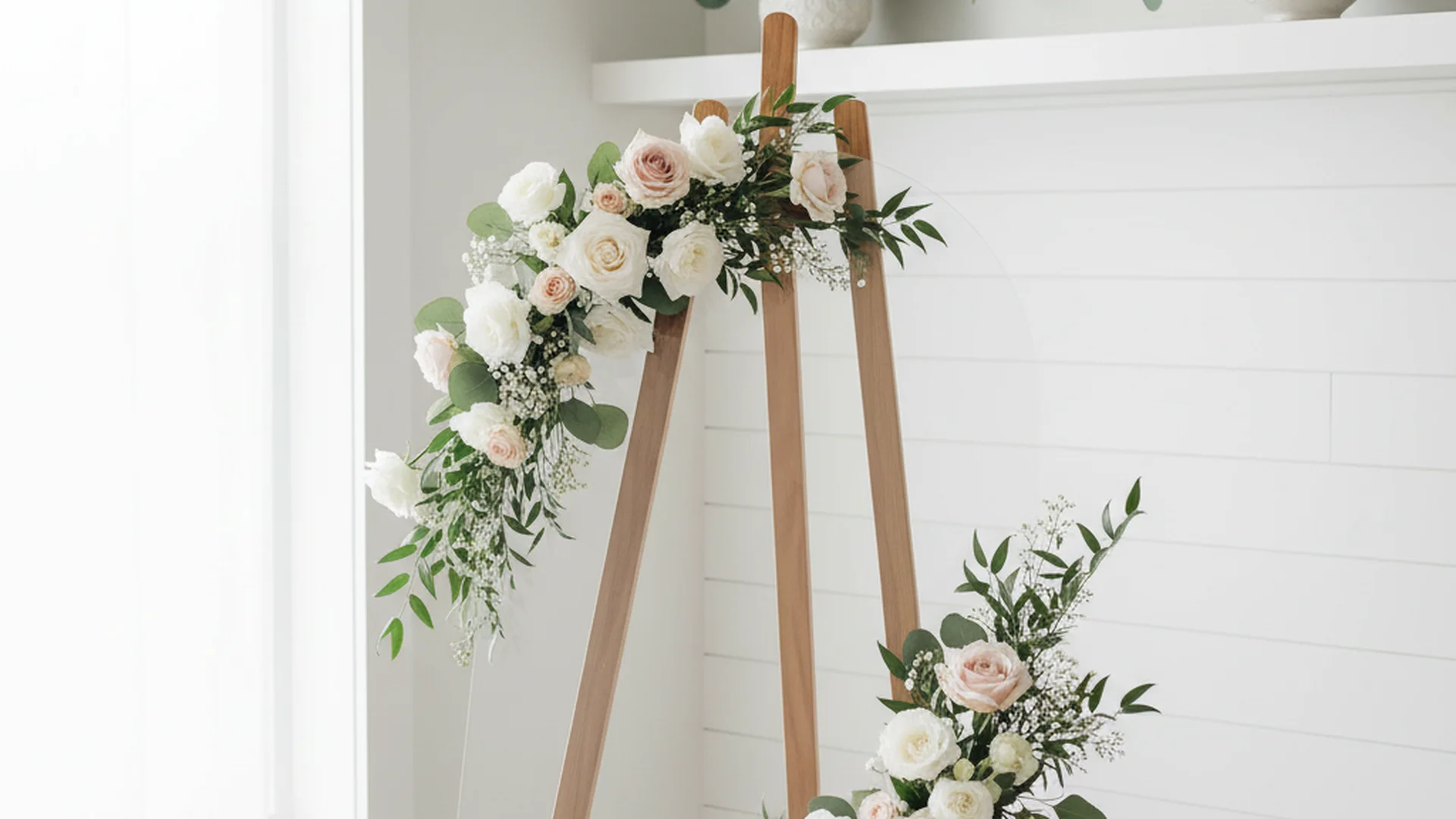
25+ Creative Wedding Sign Ideas for a Seamless 2025-2026 Celebration
Elevate your big day with these trending wedding sign ideas. From QR codes and 3D acrylic to budget-friendly DIY tips, ensure your guests have a perfect experience.
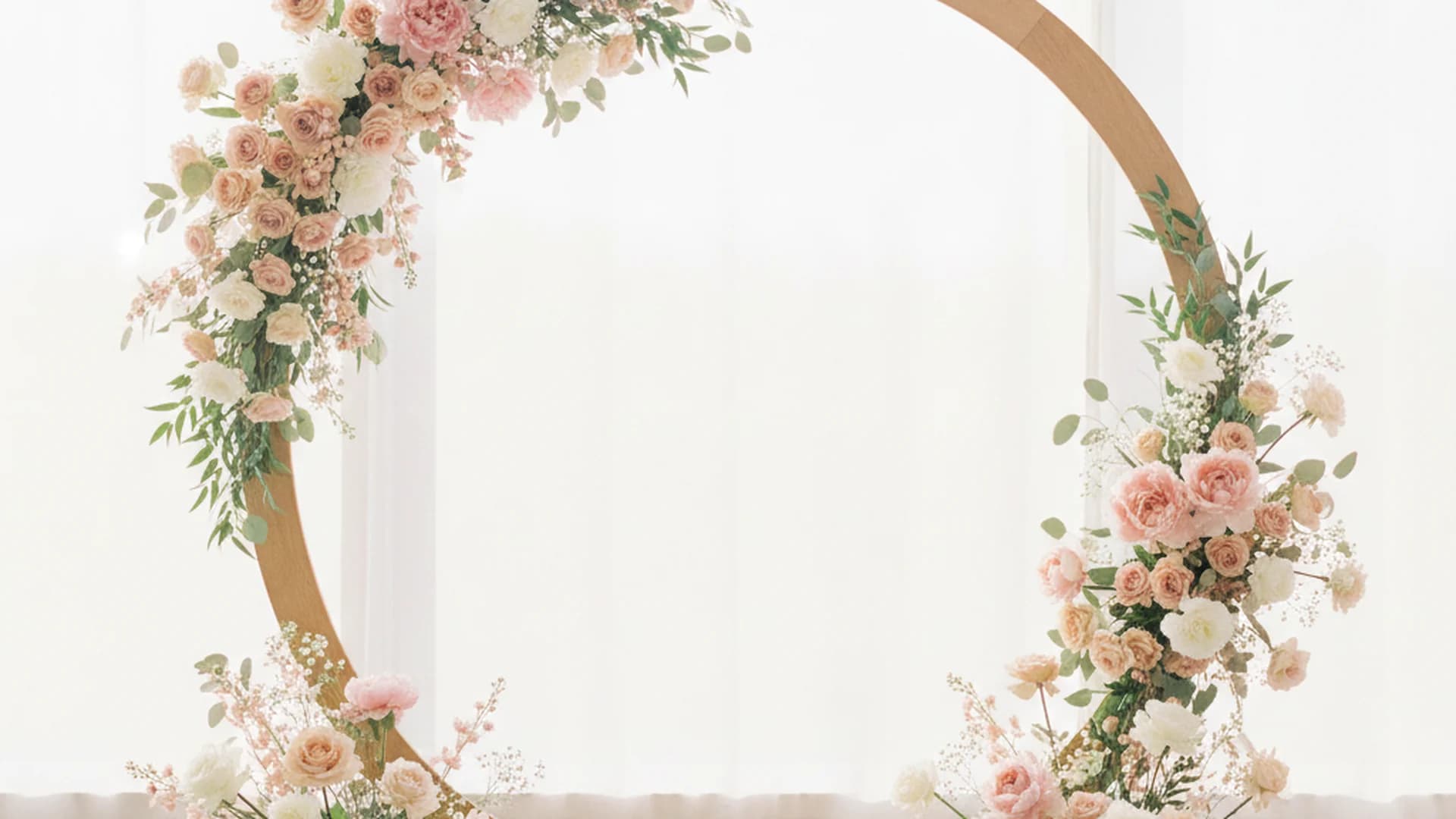
Stunning Wedding Arch Flower Ideas for 2025 and 2026
Explore the latest wedding arch flower ideas, from grounded meadow arches to sustainable foam-free designs. Learn about costs, trends, and expert tips for 2025-2026.
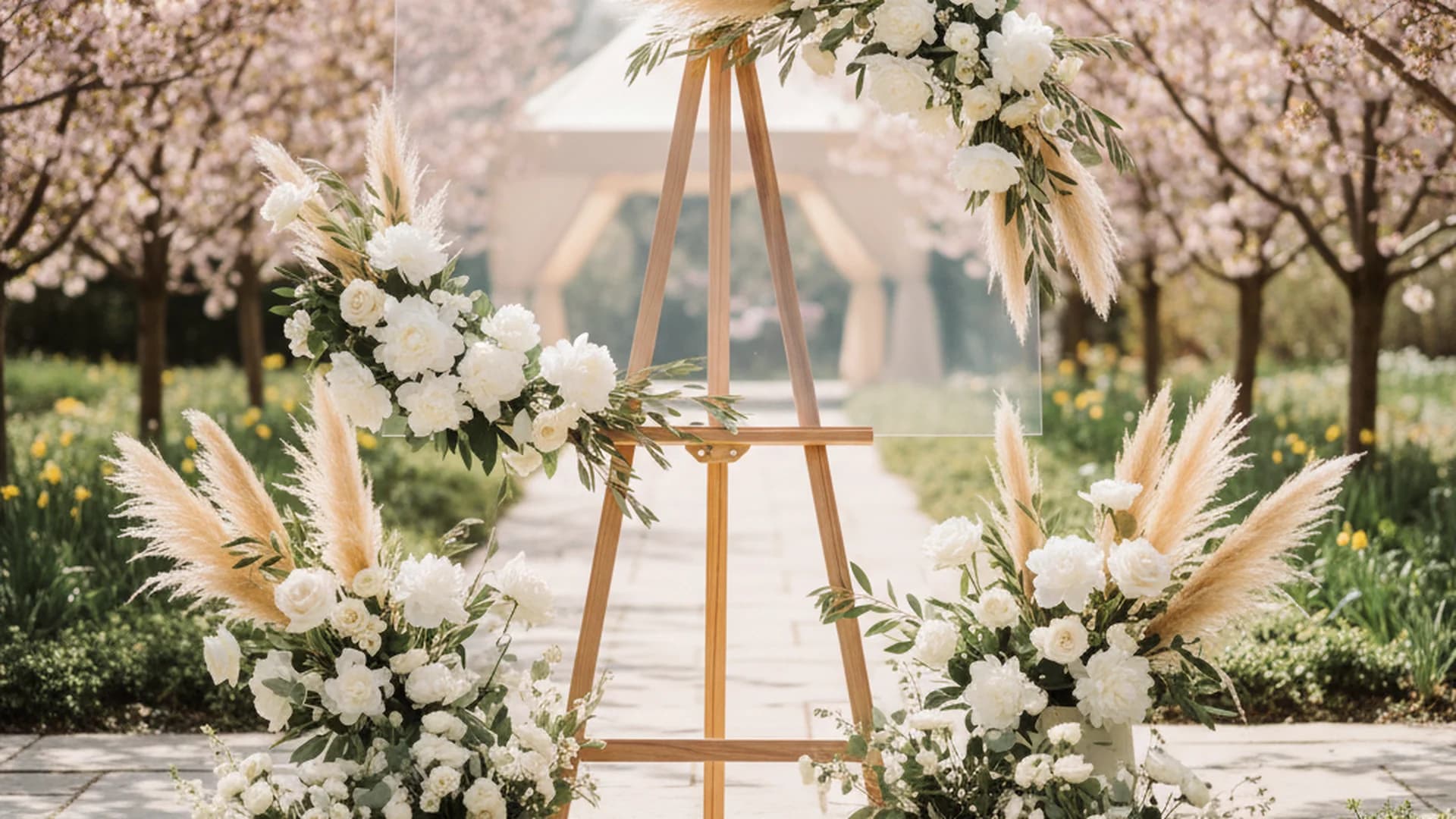
Welcome Sign Wedding Ideas: 15+ Trending Designs for 2025 and 2026
Discover the top welcome sign wedding ideas for 2025 and 2026. From 3D acrylic to sustainable linen, learn how to create a high-impact first impression.