Eco-Friendly Wedding Rings: A Complete Guide to Sustainable Luxury
Discover the best eco-friendly wedding rings for 2025 and 2026. Learn about lab-grown diamonds, recycled gold, and ethical certifications for your big day.
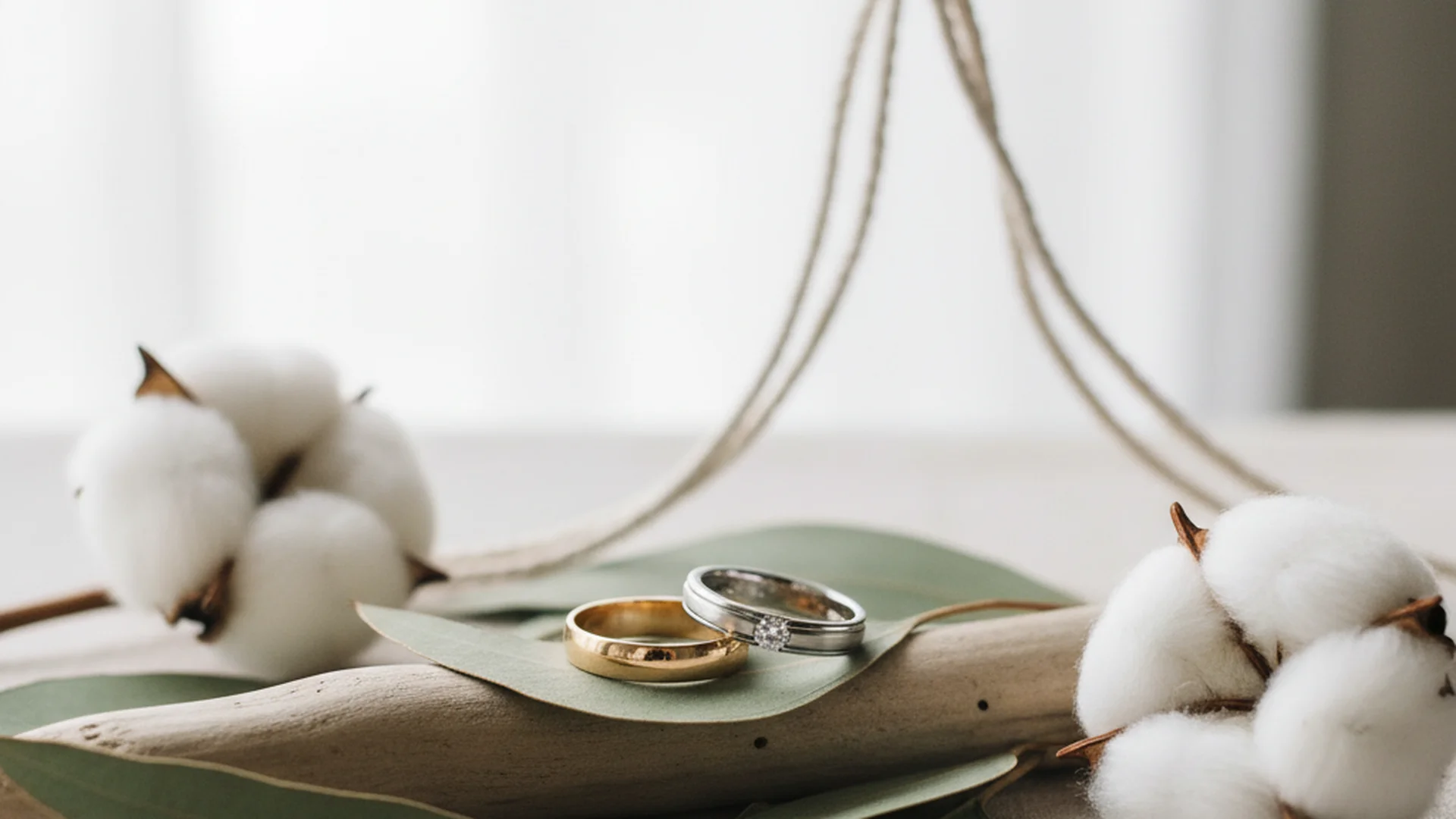
- Mining one traditional gold ring produces 20 tons of toxic waste.
- Lab-grown diamonds are chemically identical to mined diamonds but use 85% less water.
- Recycled gold reduces CO2 emissions by up to 99% compared to new mining.
For decades, the exchange of wedding rings has served as the universal symbol of eternal love. However, as we move into 2025 and 2026, couples are increasingly asking a vital question: does a symbol of love have to come at the cost of the planet? The rise of eco-friendly wedding rings represents a massive shift in the jewelry industry, moving away from destructive mining practices toward a future of sustainable luxury.
As an interfaith wedding officiant, I have stood with hundreds of couples as they exchanged vows. In recent years, I’ve noticed a beautiful trend—couples aren't just choosing rings that look good; they are choosing rings that align with their values. Whether it is a lab-grown diamond or a band forged from recycled heirloom gold, the "green" ring is becoming the gold standard for modern ceremonies.
Why Choose Eco-Friendly Wedding Rings?
Traditional jewelry mining is one of the most environmentally taxing industries on Earth. To find enough gold for a single standard wedding band, miners often have to excavate and process 20 tons of rock, frequently using toxic chemicals like cyanide and mercury that can leak into local water supplies.
When you choose an eco-friendly wedding ring, you are actively participating in a circular economy. You are opting for materials that require less land displacement, less water consumption, and significantly lower carbon emissions. This is a core component of Green Wedding Planning, where every detail of the ceremony reflects a commitment to the environment.
The True Cost of Mined Diamonds
While "conflict-free" has been a buzzword for years, it often fails to account for environmental destruction. A single polished carat of a mined diamond emits approximately 160 kg of CO2. Furthermore, the land disturbance is massive—nearly 100 square feet of land is disturbed per carat. In contrast, lab-grown diamonds disturb only 0.07 square feet.
Sustainable Materials: Beyond the Sparkle
Understanding your options is the first step in finding the perfect ring. Modern technology and a renewed interest in history have provided us with three primary paths to sustainability.
1. Lab-Grown Diamonds
One of the most common questions I hear is, "Are lab-grown diamonds real?" The answer is a definitive yes. They are chemically, physically, and optically identical to mined diamonds. They sit at a 10 on the Mohs scale of hardness, meaning they are just as durable as any stone pulled from the earth.
Note
2. Recycled Gold and Platinum
Gold is infinitely recyclable. It can be melted down, refined back to its pure 24k state, and re-alloyed without any loss in quality. Choosing recycled gold reduces the need for new mining entirely.
3. Alternative Metals
For those seeking something unique and durable, metals like recycled stainless steel, titanium, and tantalum are gaining popularity. These metals are often more affordable and require significantly less chemical processing than traditional precious metals.
Tip
The Most Eco-Friendly Choice: Vintage and Antique
If you want the ultimate eco-friendly wedding ring, look to the past. Experts agree that Vintage or Antique rings are the #1 sustainable choice. Why? Because they require zero new mining and zero new manufacturing energy.
Example 1: The Heirloom Reset
A couple I recently officiated for decided to take the grandmother’s 1940s engagement ring and reset the diamond into a modern, recycled gold band. This preserved the sentimental value while ensuring no new stones were mined.
Example 2: The "Old Mine" Find
"Old Mine" cuts are 18th-century hand-cut diamonds. They have a softer, warmer glow than modern clinical cuts. Many 2026 brides are seeking these out for their unique character and zero-footprint history.
Example 3: Estate Sales
Shopping at estate sales or dedicated antique jewelers prevents "new" demand from hitting the market. It is the purest form of jewelry upcycling.
Key Certifications to Look For
Navigating the world of sustainable jewelry can feel like a maze of marketing terms. To ensure your ring is truly ethical, look for these specific certifications:
| Certification | What it Covers | Why it Matters |
|---|---|---|
| SCS-007 | Sustainability Rated Diamonds | Ensures the diamond is carbon neutral and ethically produced. |
| Fairmined | Gold Mining Standards | Guarantees fair wages and environmental protections for small miners. |
| RJC | Responsible Jewellery Council | Audits the entire supply chain from mine to retail. |
| GIA/IGI | Stone Quality | Standard grading reports that now include "Origin Reports" for mined stones. |
Heads up
From the OurVows workspace
Planning a wedding is a lot. We make it feel like less.
Checklist, budget, guest list, and a wedding website — together in one free workspace built for both of you.
Recent Trends for 2025 and 2026
The aesthetic of eco-friendly wedding rings is evolving. We are moving away from "perfect" clinical looks and toward designs that feel connected to the earth.
- Nature-Inspired Textures: Expect to see hammered finishes, wood-grain textures, and "bark-like" engravings. These designs reflect a literal connection to the environment.
- Apricot Gold: A standout favorite for 2025, this alloy offers a warm, sunset-hued alternative to traditional rose gold.
- Gender-Neutral Designs: Heavy, wide bands and "tomboy" styles are becoming standard, focusing on durability and ethical substance rather than gendered aesthetics.
- Mixed-Metal Magic: Couples are increasingly blending metals, such as a platinum setting with a rose gold band, to create a personalized look that doesn't require a perfectly matched (and potentially wasteful) set.
Common Mistakes to Avoid
When shopping for eco-friendly wedding rings, it is easy to fall into a few common traps.
Ignoring the Setting
Many couples spend months researching the diamond but forget about the metal. Remember: the metal (Gold or Platinum) often has a higher environmental impact per gram than the stone. Ensure the entire ring is certified, not just the center stone.
Falling for "Greenwashing"
Avoid brands that use vague terms like "eco-conscious" or "earth-friendly" without providing data. A truly sustainable brand will be transparent about their recycling percentages and the energy sources used in their diamond labs.
The Resale Value Misconception
It is important to be realistic. While lab-grown diamonds are better for the planet and your wallet, they currently have a lower resale value than natural diamonds. If you view your ring as a financial investment rather than a sentimental symbol, you might consider a natural diamond with a "Diamond Origin Report."
Neglecting the Energy Source
Not all lab-grown diamonds are created equal. Some labs are powered by coal, which can actually result in a higher carbon footprint than mining. Always ask if the lab uses renewable energy (solar or wind).
How to Verify Your Ring's Ethics
Before you swipe your card, ask the jeweler these three questions:
- "What is the specific country of origin for this stone?"
- "Can you provide proof that the gold used is 100% recycled or Fairtrade certified?"
- "Is your workshop or manufacturer audited by a third party for labor standards?"
If they cannot answer these questions clearly, it may be a sign to look elsewhere. Many couples incorporate this research into their broader Eco Friendly Wedding Guide to ensure every vendor meets their standards.
Frequently asked questions
Are eco-friendly rings more expensive?
Does recycled gold tarnish or break more easily?
Can I turn my own old jewelry into a new wedding ring?
What is the most durable eco-friendly metal?
Conclusion
Choosing an eco-friendly wedding ring is about more than just aesthetics; it is about starting your marriage with a commitment to the world you will inhabit together. Whether you choose the storied history of a vintage piece or the cutting-edge technology of a solar-powered lab-grown diamond, your ring can be a true reflection of your values.
By prioritizing transparency, seeking out certifications, and opting for circular materials, you ensure that your symbol of love leaves a positive legacy. As you continue your journey, remember that sustainable choices can extend to every part of your day, from Sustainable Wedding Flowers to Eco Friendly Wedding Invitations.
Do this
Ready when you are
Plan Your Green Wedding
Ready to align your wedding with your values? Start organizing your sustainable celebration today.
Ready when you are
Plan your wedding without the chaos.
Free forever for couples just getting started. Two minutes to set up. No credit card.
Keep reading
The Ultimate Guide to Choosing a Sustainable Wedding Dress in 2025
Discover how to find the perfect sustainable wedding dress. Explore eco-friendly fabrics, 2025 bridal trends, and ethical shopping tips for the conscious bride.
Sustainable Wedding Flowers: The Ultimate Guide to Eco-Friendly Floristry
Discover how to choose sustainable wedding flowers for your 2025-2026 wedding. Learn about no-foam mechanics, local sourcing, and reducing your carbon footprint.
The Ultimate Eco Friendly Wedding Guide: Planning a Sustainable Celebration
Discover how to plan a sustainable celebration with our comprehensive Eco Friendly Wedding Guide. Learn about 2025 trends, carbon footprints, and ethical vendors.