The Ultimate Guide to Choosing a Sustainable Wedding Dress in 2025
Discover how to find the perfect sustainable wedding dress. Explore eco-friendly fabrics, 2025 bridal trends, and ethical shopping tips for the conscious bride.
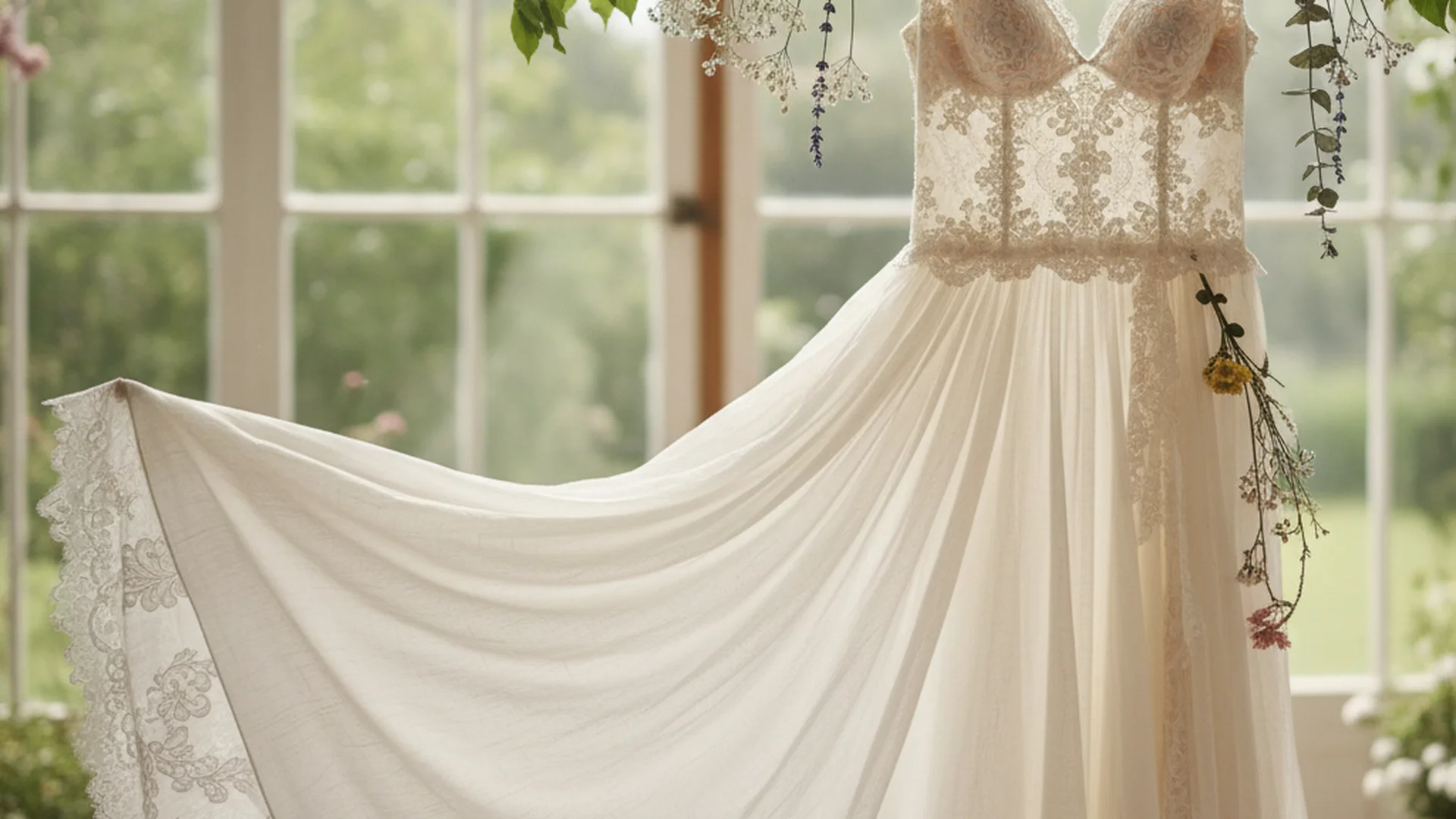
- Sustainability in bridal wear focuses on eco-friendly materials, ethical labor, and circular lifecycles.
- New 2025-2026 trends include "Ethical Maximalism" and dyeable wedding gowns for post-wedding re-wear.
- Choosing a pre-owned or made-to-order gown significantly reduces the carbon and water footprint of your wedding.
The journey to "I do" is increasingly becoming a journey toward a better planet. For modern brides, choosing a sustainable wedding dress is no longer just a niche aesthetic choice; it is a powerful statement of values. As we move into the 2025 and 2026 wedding seasons, eco-consciousness is being woven directly into the fabric of bridal fashion, proving that you don’t have to sacrifice style for sustainability. Whether you are dreaming of a minimalist slip or a grand ballgown, the shift toward ethical manufacturing and circular fashion is making it easier than ever to look stunning while protecting the environment.
Why Your Wedding Dress Choice Matters
The environmental footprint of a "single-use" gown is surprisingly large. When we think of a wedding dress, we often focus on the magic of the day, but the lifecycle of that garment begins long before the ceremony. Traditional bridal gown production is one of the most resource-intensive sectors of the fashion industry.
Producing a single traditional wedding dress can require between 10,000 and 20,000 liters of water. This is primarily due to the cultivation of non-organic cotton and the intensive chemical dyeing processes required to achieve that perfect "bridal white." Furthermore, the manufacture of one new wedding gown emits approximately 10–20kg of CO2, which is roughly the equivalent of driving a car for 50 miles. By choosing a sustainable alternative, you are directly reducing this impact.
Note
What Defines a Sustainable Wedding Dress?
Sustainability in the bridal world is a multi-faceted concept. It isn't just about the fabric; it's about the entire lifecycle of the garment and the hands that made it. To truly call a dress sustainable, it generally falls into one of three pillars:
1. Eco-Friendly Materials
Sustainable gowns prioritize fibers that have a lower impact on the earth. This includes organic cotton, which uses no synthetic pesticides, and hemp, which requires very little water to grow. Newer innovations include Tencel (lyocell), made from sustainably sourced wood pulp, and "Peace Silk," which is harvested after the silkworms have naturally emerged from their cocoons.
2. Ethical Labor Practices
A dress cannot be truly sustainable if the people who made it were treated unfairly. Ethical bridal brands ensure fair wages, safe working conditions, and transparent supply chains. Many brides are now looking for "Made in the USA" or "Made in the UK" labels to ensure higher labor standards and reduced shipping emissions.
3. Circularity and Lifecycle
This pillar focuses on what happens after the wedding. A sustainable dress is designed with the future in mind—whether that means it is high-quality enough to be resold, easy to alter into a cocktail dress, or even biodegradable.
Tip
Sustainable Fabric Guide: What to Look For
When you begin shopping, the fabric tag is your best friend. Many traditional gowns are made from polyester, which is essentially plastic and can take hundreds of years to decompose in a landfill.
| Fabric Name | Why It’s Sustainable | Feel and Style |
|---|---|---|
| Tencel (Lyocell) | Made from wood pulp; closed-loop production. | Silky, breathable, and drapes beautifully. |
| Organic Cotton | No pesticides; uses less water than conventional cotton. | Perfect for boho or casual outdoor weddings. |
| Peace Silk | Harvested without harming the silkworms. | Luxurious, high-sheen, and traditional. |
| Recycled Polyester (rPET) | Diverts plastic from landfills. | Versatile; used for lace, tulle, and linings. |
| Deadstock Fabric | Uses leftover fabric from other designers. | Unique, high-end, and reduces waste. |
Heads up
Trends for 2025–2026: The Rise of Ethical Maximalism
The upcoming seasons are moving away from the "simple" eco-looks of the past. In 2025 and 2026, we are seeing a rise in "Ethical Maximalism." This trend proves that sustainable fashion can be just as bold and architectural as traditional couture.
Modular and Convertible Designs
To increase the "number of wears," designers are launching modular dresses. Imagine a gown with detachable sleeves, overskirts, or capes. This allows a bride to change her look from the ceremony to the reception without buying two separate dresses. After the wedding, a detachable bodice might even be paired with jeans for an anniversary dinner.
The Re-wear Revolution
A major prediction for 2026 is the rise of dyeable bridal wear. Some brands are now creating dresses specifically designed to be professionally dyed a different color after the wedding. This transforms a one-time gown into a stunning formal evening dress that can be worn for years to come.
Recycled Lace and 3D Appliqués
Advanced technology is allowing designers to create intricate 3D floral appliqués and delicate lace from recycled ocean plastics and textile waste. These "thoughtful fabrics" allow for the sculptural fits and textures that brides love without the environmental guilt.
Do this
From the OurVows workspace
Planning a wedding is a lot. We make it feel like less.
Checklist, budget, guest list, and a wedding website — together in one free workspace built for both of you.
Expert Recommendations for Eco-Conscious Shopping
Finding the right gown requires a "multi-step" approach. Experts suggest looking beyond the surface of the dress.
- Prioritize Made-to-Order: Unlike mass-produced "ready-to-wear" gowns that lead to excess inventory waste, made-to-order boutiques only create a dress when a bride requests it. This eliminates the "deadstock" problem that plagues the fashion industry.
- Check the Lining: Many brands use eco-friendly outer fabrics but cheap synthetic linings. Ask if the entire garment, including the lining and threads, is organic or recycled.
- Shop Local: Choosing a local designer reduces the carbon footprint associated with international shipping and ensures better oversight of labor conditions.
- Eco-Friendly Maintenance: When the wedding is over, choose "green" dry cleaners that use biodegradable solvents like SYSTEMK4 instead of harsh PERC chemicals.
Tip
Real-World Examples of Sustainable Wedding Dress Success
Example 1: The Vintage Restoration
One bride in 2024 chose to wear her grandmother's gown from the 1960s. By working with a local seamstress to modernize the neckline and replace the yellowed lace with recycled silk accents, she created a completely unique look with a near-zero carbon footprint.
Example 2: The Designer Rental
Using high-end rental platforms like Hurr or Nuuly, another bride wore a $5,000 designer gown for a fraction of the price. This "circular" approach meant the dress was used by multiple women, maximizing the resources used to create it.
Example 3: The Deadstock Couture
A 2025 bride worked with a small boutique that specialized in "deadstock" fabrics—high-quality materials left over from major fashion houses. She was able to have a custom-fit, luxury gown made from silk that otherwise would have been sent to a landfill.
Common Mistakes to Avoid
When searching for a sustainable wedding dress, it is easy to fall into a few common traps:
- Falling for "Greenwashing": This happens when a brand uses vague terms like "eco-friendly" or "green" without any certifications to back them up. Always look for transparency regarding where the fabric came from and who made the dress.
- Assuming Sustainable Means "Plain": Many brides fear they won't find a "wow" factor in eco-collections. However, 2025 trends show sustainable brands embracing bold silhouettes and 3D textures.
- Ignoring the Social Aspect: Sustainability isn't just about the planet; it's about people. A dress made of organic cotton is not fully sustainable if the workers who sewed it were underpaid.
- Thinking "All or Nothing": You don’t need a 100% zero-waste wedding to make an impact. Choosing a pre-owned veil or a dress made of 50% recycled materials still significantly reduces the environmental toll.
Heads up
Frequently asked questions
What actually makes a wedding dress "sustainable"?
Are sustainable dresses more expensive?
Which fabrics should I look for?
What certifications can I trust when shopping?
Can I really re-wear my wedding dress?
Conclusion
Choosing a sustainable wedding dress is a beautiful way to start your new life together with a clear conscience. By prioritizing ethical labor, eco-friendly fabrics, and circular fashion, you are contributing to a movement that values the planet as much as the celebration. Remember that every choice matters, whether you are buying a vintage gown, renting a designer piece, or supporting a local designer who uses deadstock materials. As you plan your special day, let your dress be a reflection of your commitment—not just to your partner, but to a more sustainable future.
Do this
Ready when you are
Ready to Plan Your Eco-Wedding?
Learn how to make every part of your big day sustainable.
Ready when you are
Plan your wedding without the chaos.
Free forever for couples just getting started. Two minutes to set up. No credit card.
Keep reading
Eco-Friendly Wedding Rings: A Complete Guide to Sustainable Luxury
Discover the best eco-friendly wedding rings for 2025 and 2026. Learn about lab-grown diamonds, recycled gold, and ethical certifications for your big day.
Sustainable Wedding Flowers: The Ultimate Guide to Eco-Friendly Floristry
Discover how to choose sustainable wedding flowers for your 2025-2026 wedding. Learn about no-foam mechanics, local sourcing, and reducing your carbon footprint.
The Ultimate Eco Friendly Wedding Guide: Planning a Sustainable Celebration
Discover how to plan a sustainable celebration with our comprehensive Eco Friendly Wedding Guide. Learn about 2025 trends, carbon footprints, and ethical vendors.